Domestic terrorism and the Prairieland 19: Criminalizing dissent
A brief recap of events
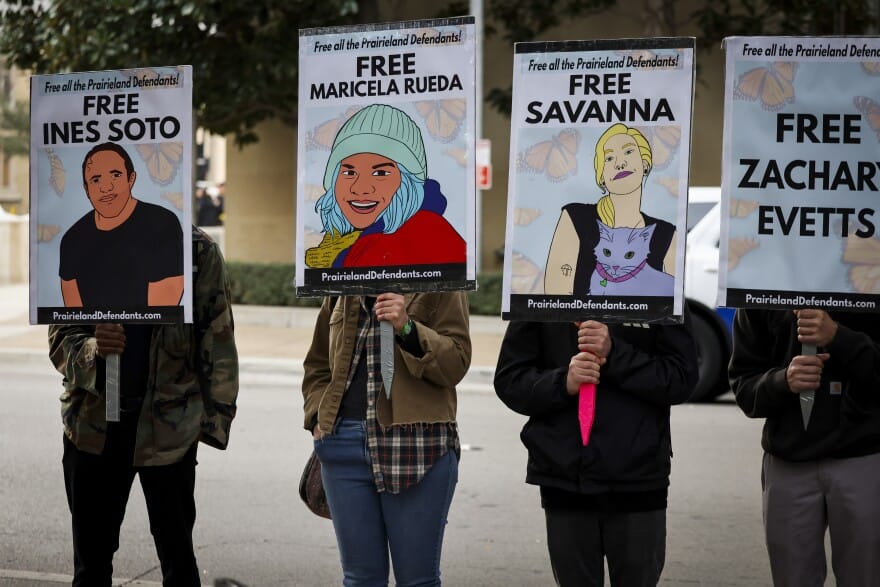
On the night of July 4, 2025, a group of 11 individuals gathered near the Prairieland Detention Facility in Alvarado, Texas, to protest ICE operations and Trump’s anti-immigrant policies. According to participants, their intention was to stage a noise demonstration to “show solidarity with the detainees” and “lift their spirits with a fun fireworks display.”
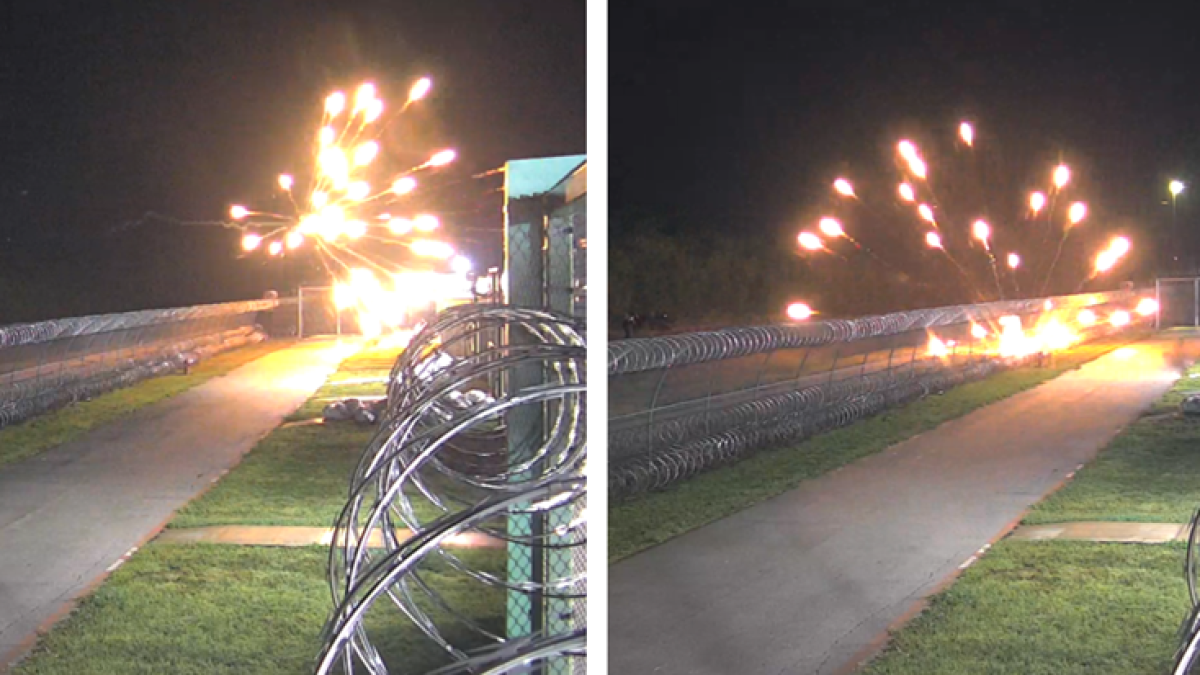
While setting off the fireworks, some members of the group split off and spray-painted ICE property with phrases like “ICE pig” and “traitor.” ICE officers called the police, who arrived and ordered the protesters to surrender and get on the ground. At that point, one person — later identified as former Marine reservist Benjamin Song — allegedly opened fire from a nearby tree line, striking and injuring an Alvarado police officer. However, during a later hearing, an FBI official testified that he was not certain who fired first.
Arrests
Law enforcement quickly apprehended nine individuals in the vicinity of the detention facility: Savanna Batten, Nathan Baumann, Zachary Evetts, Joy Gibson, Meagan Morris, Maricela Rueda, Seth Sikes, Elizabeth Soto, and Ines Soto. Prosecutors allege that the group was dressed in black, that some had firearms in their vehicles, and that anti-fascist flyers were found in backpacks and cars.
Authorities later arrested Benjamin Song, the alleged shooter, as well as Autumn Hill, based on information placing her at the protest.
In the following weeks, eight additional individuals were arrested despite not being present at the protest:
- John Thomas: Allegedly helped Song evade arrest
- Lynette Sharp: Allegedly helped Song evade arrest
- Susan Kent: Allegedly helped Song evade arrest
- Rebecca Morgan: Allegedly helped Song evade arrest
- Janette Goering: Allegedly participated in group Signal chats and gave Song a Faraday bag
- Dario Sanchez: Allegedly altered digital evidence
- Lucy Fowlkes: Allegedly taught others how to delete digital chat messages
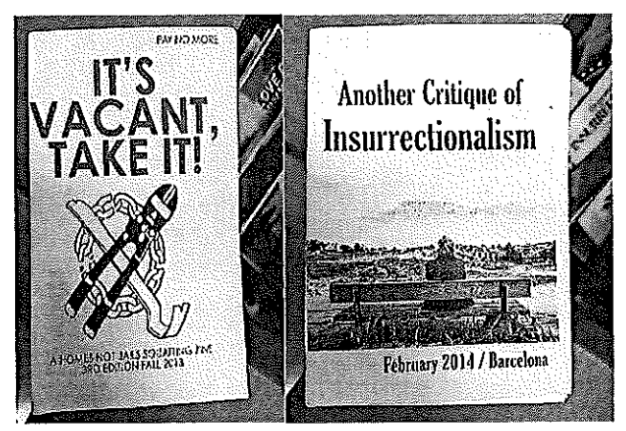
- Daniel Sanchez Estrada: Allegedly moved anti-fascist and anarchist zines
Charges
Those who were present at the protest were charged with an array of crimes, including attempted murder and discharging a firearm in furtherance of a crime (even if they were unarmed that night). Most defendants, with the exception of Sanchez Estrada, were also charged with terrorism-related offenses, from providing material support to terrorists to hindering prosecution of terrorism and aiding in the commission of terrorism.
To date, seven defendants have pleaded guilty to providing material support to terrorists: Nathan Baumann, Joy Gibson, Seth Sikes, John Thomas, Lynette Sharp, Susan Kent, and Rebecca Morgan.
Three have not pled guilty and have not gone to trial: Dario Sanchez, Lucy Fowlkes, and Janette Goering.
The remaining nine defendants went on trial earlier this month in the Northern District of Texas. Eight were found guilty of providing material support to terrorists, rioting, and using and carrying an explosive (fireworks) during a riot: Autumn Hill, Zachary Evetts, Benjamin Song, Savanna Batten, Meagan Morris, Maricela Rueda, Elizabeth Soto, and Ines Soto. Daniel Sanchez Estrada and Maricela Rueda were found guilty of conspiracy to conceal documents for moving the zines/fliers. Benjamin Song was found guilty of a singular count of attempted murder of an officer and three counts of discharging a firearm. All other defendants charged with attempted murder and discharging a firearm were acquitted of those specific charges.
What you should know
The case was drastically overcharged
The original charges brought against the Prairieland defendants did not include any mention of terrorism. It wasn’t until November 2025, four months after the protest, that the DOJ brought its first allegations of “providing material support to terrorists” before a grand jury. The new charges came just weeks after President Trump signed an executive order claiming to designate Antifa as a domestic terrorist organization. However, as the Brennan Center explains, the president has no legal authority to do so:
The administration has also sought to elevate the perceived threat level from left-wing political violence by designating antifa to be a “domestic terrorist organization” and instructing the attorney general to make recommendations for other groups to be designated. The designation makes no sense. As both former FBI Director Chris Wray and the Congressional Research Service have explained, antifa is not a group or an organization, but a decentralized movement. Moreover, the administration has no authority to designate groups as domestic terrorist organizations, as is obvious from the failure to cite any statute or constitutional provision in support of the president’s action. There is none, and the purported designation has no legal effect.
The case erodes the First Amendment
First, and most obviously: Antifa is not an organization. Anti-fascism is an ideology, a collection of beliefs, and holding those beliefs does not constitute terrorism.
Second: Possessing anti-fascist or anarchist literature, posters, flyers, or art is protected free speech. Daniel Sanchez Estrada was convicted of corruptly concealing a document and conspiracy to conceal documents for simply moving a box of left-wing literature. He was not at the protest yet faces up to 40 years in federal prison.
Finally, criminalizing constitutionally protected protests and organizing activities is a way to crush dissent. Prosecutors charged Dario Sanchez, a teacher who took part in a Socialist Rifle Association messaging group on Discord, with hindering prosecution of terrorism for removing John Thomas from the group when asked. Sanchez says he had no knowledge of or involvement with the Prairieland protest. The charges against him are meant to discourage left-wing organizers.
“They threatened me with 50 years of jail time and told me to tell them about some other people, and I didn't know what the hell they were talking about,” Sanchez told KERA News during an interview at his home. “I had nothing to do with any of this stuff. But they're coming after me like I'm somehow involved.” [...]
Sanchez said the group was more than just a rifle club. It also taught other skills like emergency medical training, which he said was crucial in his role as a now-former teacher. “We would teach people what to do if someone's been shot, how to treat that injury up until EMS arrives and they can get to a hospital,” Sanchez said. “As a teacher, that’s a real big piece of mind thing for me because, unfortunately, my line of work involves a lot of worrying about if a mass shooting might happen.”
The judge’s conduct during the case raises significant concerns of judicial interference
Judge Mark Pittman, a Trump appointee, played a pivotal role in the conviction of the nine defendants at trial.
- Pittman declared a mistrial during jury selection due to a defense attorney’s shirt (beneath her blazer) that featured images of civil rights leaders like Martin Luther King Jr. and Shirley Chisholm. The lawyer, MarQuetta Clayton, had been in the middle of asking potential jurors questions about their feelings on ICE, soliciting responses that suggested about 20 potential jurors opposed Trump’s aggressive deportation campaign. After declaring a mistrial, Pittman announced that he would personally conduct the second round of jury selection. The National Lawyers Guild posited that Pittman actually took issue with the positions of the prospective jurors, implying that he declared a mistrial to convene a new jury pool less sympathetic to the defendants.
- After declaring a mistrial, Pittman moved the proceedings to a much smaller courtroom, requiring members of the public to drive to a remote viewing location over 30 miles away from the trial itself.
- Pittman then cut the time that each team of defense attorneys were given for opening statements from 10 minutes to eight minutes. He also gave the prosecution more peremptory challenges, or objections an attorney can make against putting someone on the jury without a reason.
- Pittman ruled that the defense, including lawyers for Benjamin Song, cannot claim self-defense or defense of a third party “because the defendants prompted the law enforcement response by shooting fireworks and damaging property.” Essentially, Pittman’s ruling prevented jurors from considering whether the Alvarado police officer pulled his firearm on the protesters, and whether that action was reasonable, when considering the legality of Song’s actions.